
When a loved one approaches the end of life, the experience extends far beyond physical symptoms. Families and patients alike face a profound emotional and spiritual journey marked by reflection, vulnerability, fear, love, and the search for meaning. At Green Mountain Healthcare Services, we understand that true hospice care addresses the whole person — honoring not only comfort and dignity, but also the inner needs that shape how individuals experience their final chapter.
End-of-life care is not only about managing pain or medical needs. It is about supporting emotional expression, spiritual peace, and human connection at a time when these elements matter most.
Understanding the Emotional Landscape at End of Life
As illness progresses, emotions often intensify for both patients and families. Feelings may shift rapidly, moving from acceptance to sadness, fear, gratitude, or unresolved grief. Patients may reflect on their life, relationships, and legacy, while families grapple with anticipatory loss and uncertainty.
Providing meaningful emotional support during this time helps individuals feel heard, validated, and less alone. Rather than trying to “fix” emotions, compassionate care creates space for honest expression — allowing tears, silence, conversation, and reflection to exist without judgment.
This emotional presence helps reduce anxiety and fosters a sense of safety during an otherwise overwhelming transition.
Addressing Spiritual Needs With Sensitivity and Respect
Spirituality often becomes more significant at the end of life, regardless of religious affiliation. Some individuals seek comfort through faith, prayer, or sacred rituals, while others reflect on meaning, values, or their connection to loved ones and the world around them.
Through spiritual care in hospice, patients are supported in ways that align with their beliefs and personal worldview. This care is never prescriptive. Instead, it is guided by the patient’s values, traditions, and preferences.
Spiritual support may include:
- Conversations about meaning, purpose, or forgiveness
- Support from chaplains or spiritual counselors
- Facilitation of religious rituals or practices
- Quiet presence and compassionate listening
- Space for reflection and life review
By honoring spiritual needs, care teams help patients find peace and closure on their own terms.
A Holistic Approach to End-of-Life Support
End-of-life care is most effective when it integrates physical, emotional, spiritual, and social needs into a unified approach. Holistic support recognizes that suffering and comfort are multidimensional and deeply interconnected.
This approach ensures that:
- Emotional distress is addressed alongside physical symptoms
- Spiritual concerns are treated with the same respect as medical needs
- Family dynamics and relationships are considered part of care
- The patient’s identity and life story remain central
By caring for the whole person, holistic care promotes dignity, calm, and emotional well-being during life’s final stage.
Supporting Emotional Expression Without Pressure
Many patients worry about burdening their families with their emotions, while families may feel unsure how to respond to expressions of fear or sadness. Compassionate care encourages open dialogue without forcing conversation or positivity.
Addressing hospice emotional needs means allowing individuals to feel exactly what they feel — whether that is peace, anger, gratitude, regret, or silence. Emotional support is not about providing answers, but about being present and responsive.
Care teams help normalize emotions by:
- Listening without interruption
- Validating feelings without minimizing them
- Encouraging expression in words, writing, or reflection
- Respecting moments of quiet or withdrawal
This acceptance helps patients feel emotionally safe and understood.
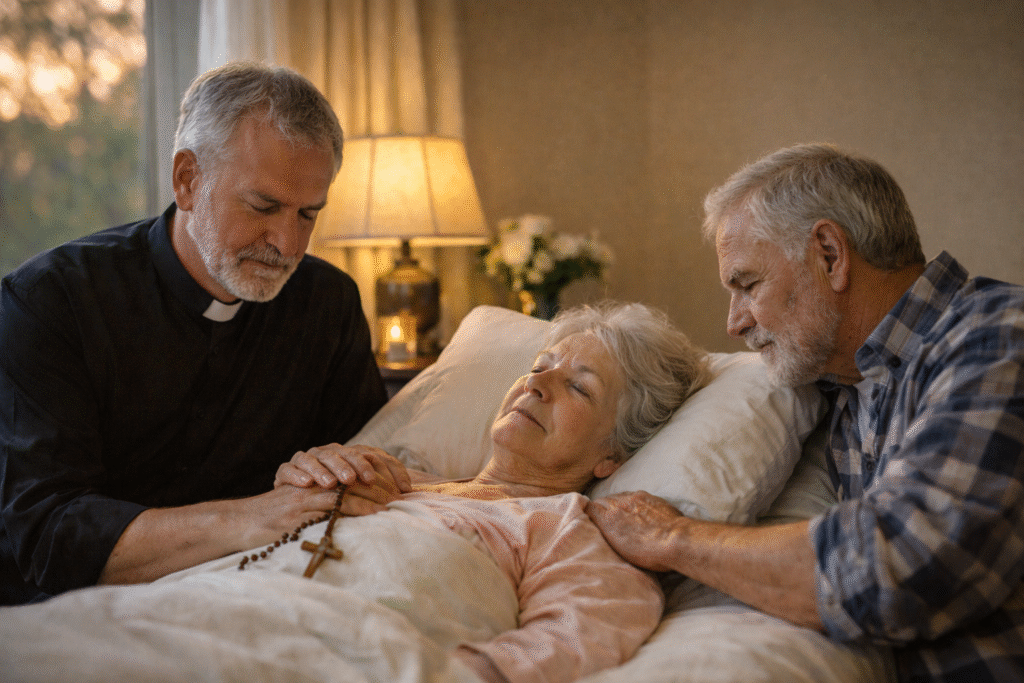
Comfort That Extends Beyond Physical Needs
Physical comfort is essential, but true end-of-life support extends into emotional and spiritual realms. Comfort beyond physical care includes reassurance, presence, and the alleviation of emotional suffering that cannot be measured by medical tools.
This deeper comfort may come from:
- Feeling emotionally connected rather than isolated
- Resolving unfinished conversations
- Expressing love or gratitude
- Feeling spiritually at peace
- Knowing one’s wishes are respected
These moments often become the most meaningful experiences for patients and families alike.
Supporting Families Through Emotional Transitions
Families experience their own emotional journey as they support a loved one nearing the end of life. Feelings of grief, fear, guilt, and exhaustion are common. Providing family emotional support helps caregivers navigate these emotions while remaining present and compassionate.
Support for families may include:
- Counseling or guidance during difficult conversations
- Education about emotional changes at end of life
- Reassurance about caregiving decisions
- Encouragement to practice self-care
- Emotional support before and after loss
When families feel supported, they are better able to offer comfort, love, and presence to their loved one.
The Role of Care Teams in Emotional and Spiritual Support
Care teams play a vital role in recognizing and responding to emotional and spiritual needs. Nurses, social workers, counselors, and chaplains collaborate to ensure that support is consistent, compassionate, and personalized.
Their role includes:
- Identifying emotional or spiritual distress
- Initiating gentle, supportive conversations
- Offering resources tailored to individual needs
- Respecting cultural and personal values
- Supporting both patients and families through transitions
This interdisciplinary approach ensures that no aspect of care is overlooked.
Why Emotional and Spiritual Care Matters at the End of Life
As life draws to a close, individuals often prioritize peace, connection, and meaning over all else. Emotional and spiritual support helps patients feel whole, respected, and valued — not defined by illness, but by their humanity.
When these needs are met, patients often experience:
- Reduced anxiety and fear
- Greater emotional peace
- Stronger connection with loved ones
- A sense of completion or closure
Families, in turn, often carry forward memories of calm, connection, and meaningful moments that support long-term healing.
Conclusion
End-of-life care is as much about the heart and spirit as it is about the body. By honoring emotional expression, spiritual reflection, and meaningful connection, compassionate support helps patients and families navigate this profound transition with dignity and peace. When care focuses on the whole person, the final chapter of life can be marked not only by comfort, but by understanding, love, and a deep sense of human connection.