When people first hear the word “hospice care,” they usually think of medical services like nurses, medicine, and pain control. Those things are important components of hospice, but they are only a small part of a much bigger picture.
End-of-life care is not only about the body. It’s also about the mind, the emotions, relationships, and sometimes even the biggest issues concerning serenity and meaning.
Families that come to GREEN MOUNTAIN often don’t know how much hospice cares about their emotional and spiritual health. These things are not secondary; they are the most important things that help people feel dignified, connected, and tranquil in the last days of their lives.
This larger view can dramatically shift how families think about hospice care.
The Emotional Landscape of Being Very Sick
When you have a disease that could kill you, you feel a lot of different things. Patients may experience fear, grief, relief, acceptance, irritation, or even moments of appreciation and contemplation. Family members frequently undergo their own emotional journeys as well. Without help, caregiving, uncertainty, and anticipated grieving can be too much to handle.
Hospice teams know that taking care of people’s feelings is just as important as taking care of their bodies. Giving emotional support helps patients and their families deal with what they’re going through in a healthy and caring way.
Some of the most prevalent emotional issues that hospice workers help with are:
- Worrying about the future
- Anxiety about bodily symptoms
- Family problems that haven’t been solved
- Being alone or feeling alone
- Grief that starts before a loss happens
Hospice workers assist make a space where patients and their families can talk honestly about what they are going through by openly addressing these feelings.
Why Comfort Is More Than Just Pain Relief
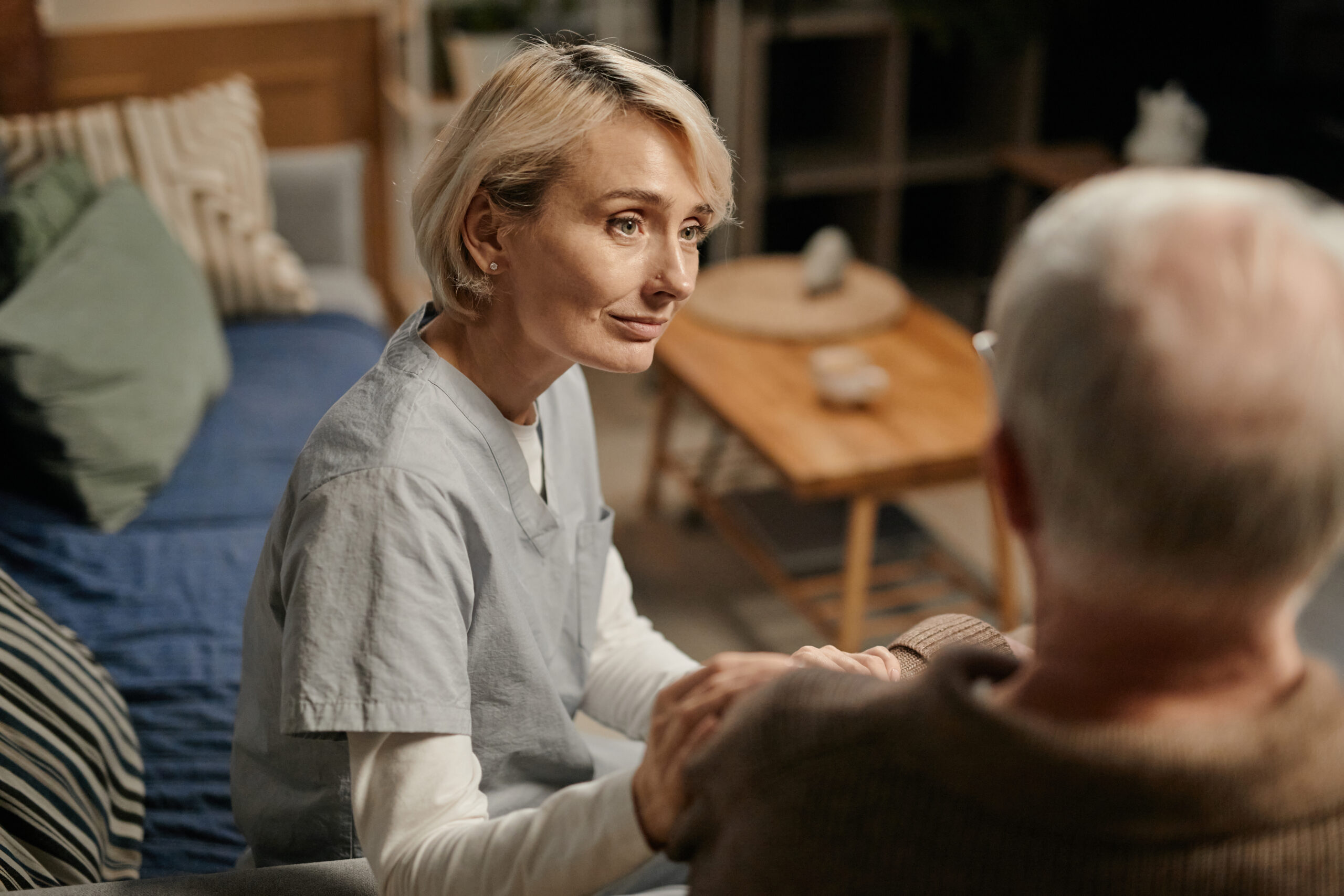
Pain control is a big part of hospice care, but real comfort goes beyond just physical symptoms. Patients who are close to death often want to know that they won’t have to go through it alone. They want to know that you care about them and that you understand them.
This is why hospice workers focus on more than just physical care. They offer support that meets emotional, relational, and personal needs as well as medical needs.
There are several ways that comfort might come:
- A nurse who takes the time to listen to a patient’s anxieties
- A social worker helping families talk about hard things
- A volunteer who is there for you
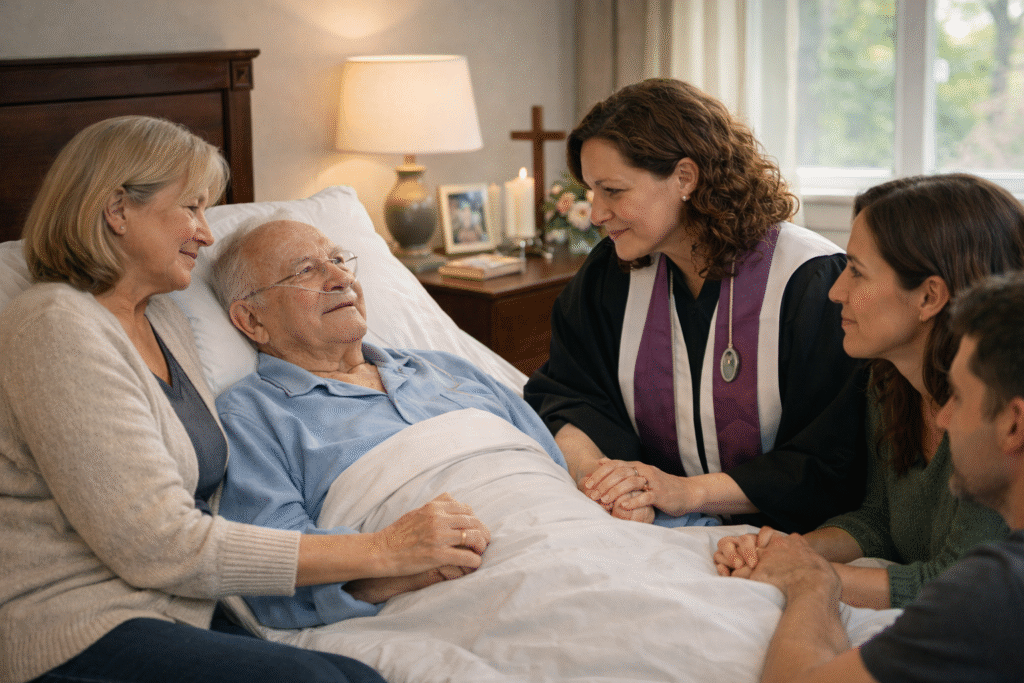
- A chaplain sitting quietly with someone to think
These times of connection are typically some of the most important parts of hospice care.
What Hospice Teams do to Care for People’s Emotions
Hospice teams are made up of people from different fields on purpose. Hospice doesn’t just rely on medical staff; it brings together specialists who are experts in numerous areas of health and wellness. This team-based approach makes sure that patients get both physical and emotional care in hospice.
A typical hospice team might have:
- Doctors and nurses
- Workers in the social sector
- Spiritual care workers or chaplains
- Counselors for those who are grieving
- Volunteers who have been trained to be friends and help
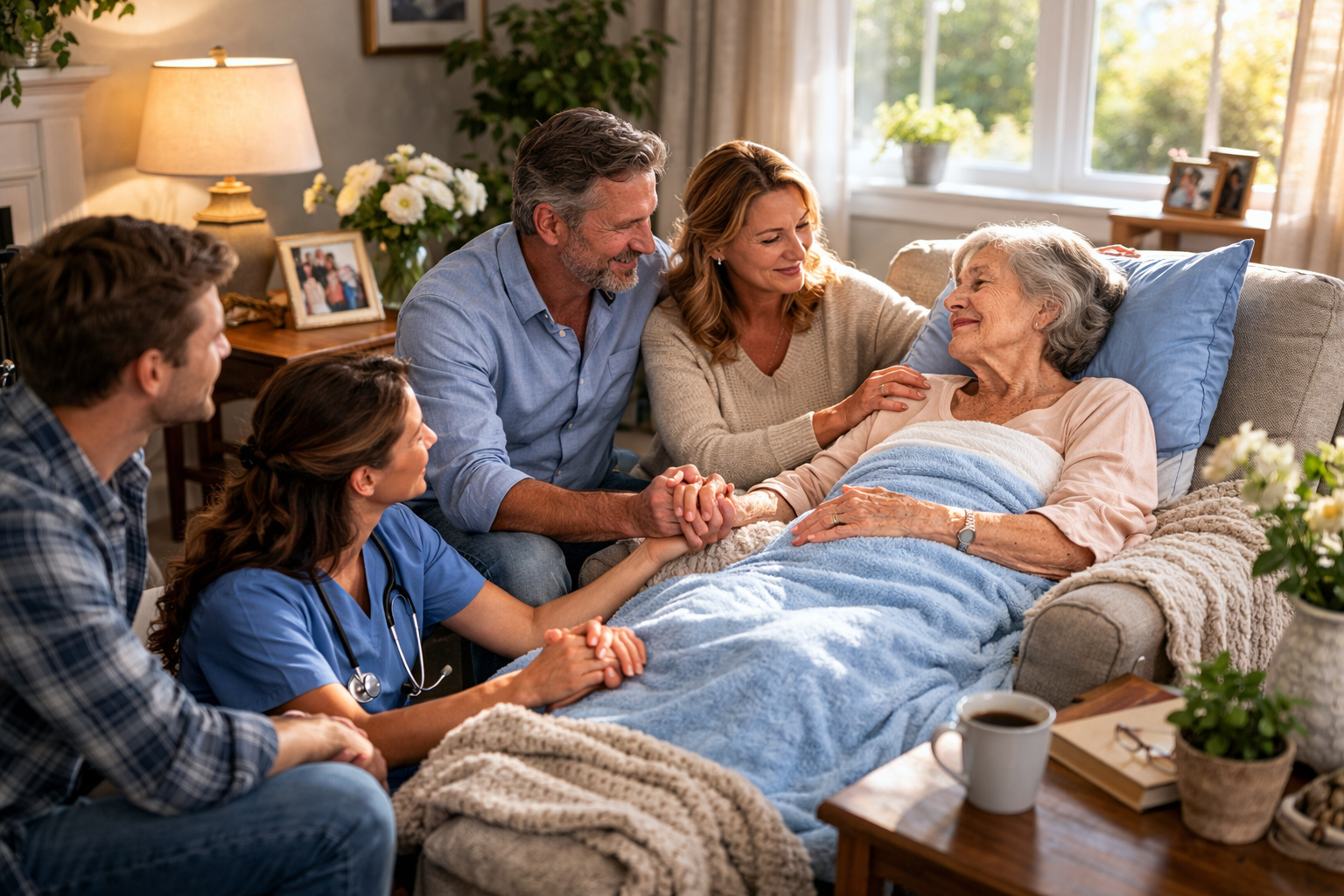
Every member of the team helps make the space safe, supportive, and understandable for patients and their families. For a lot of folks, just knowing that they aren’t going through this alone is a huge comfort.
Answering the Spiritual Questions That Come Up a Lot
When someone is seriously ill, they often start to think more deeply about things like significance, legacy, forgiveness, and peace. These thoughts don’t have to do with religion. Some patients wish to go back to their religious beliefs, while others just want some time to think about their life story.
As part of the care plan, hospice programs often include spiritual care. Spiritual support might include:
- Prayer or religious ceremonies for individuals who want them
- Reflection on life events with guidance
- Talks about forgiving or making up
- Being quiet or meditating
- Helping patients think about big questions about life
The idea is not to force beliefs on patients, but to meet them where they are emotionally and spiritually. These talks give many people solace and closure at a time when they don’t know what’s going to happen next.
Helping the Whole Person
Sometimes, traditional medical systems just focus on treating disease. But hospice knows that people are complicated and have emotional, social, and spiritual needs.
This is why hospice focuses on holistic support, which means care that serves the complete person, not just the sickness.
Holistic hospice care could include:
- Managing symptoms
- Counseling for feelings
- Guidance for the spirit
- Help from friends and family
- Help with real-world problems
- Chances to make real connections
Hospice care helps patients keep their dignity and sense of self during serious illness by addressing many aspects of their well-being. This all-encompassing approach frequently alters the experience of end-of-life care for both patients and their families.
The Importance of Helping Families as Well
The whole family is touched when someone goes into hospice. Loved ones often have emotional burdens that are just as substantial as the patient’s. Caregivers could be tired, grieving before the loss, or unsure of how to soothe someone.
Hospice providers know that helping families is an important part of the whole care process. Giving emotional support to family members helps them deal with the difficulties of caring and get ready for what’s to come.
Family support could mean:
- Social workers talk to people about counseling
- Teaching them what to expect as their illness gets worse
- Advice for hard family talks
- Emotional check-ins when nurses come to visit
- Help with grief after the patient dies
These materials make families feel less alone and more sure of the care they give.
Why it is So Important to Take Care of Your Emotional and Spiritual Health
Patients may still feel upset or detached even when their medical problems are taken care of but their emotional needs are not.
On the other hand, patients often say they feel more at ease when their mental and spiritual health are supported, even while they are going through tough medical situations.
Families often see some of the following benefits:
- Less dread and anxiety
- More acceptance of the care journey
- Better communication amongst people you care about
- Chances for real closure
- Caregivers who are more emotionally strong
Hospice care understands that healing can still happen, even if treating an illness is no longer possible.
Healing can happen via forgiveness, thankfulness, introspection, or just being together.
What Families Often Learn About Hospice
A lot of families start hospice feeling unsure or even scared. But with time, they often find that hospice gives them something they didn’t know they needed.
Hospice does more than just provide medical care; it also makes it possible for talks to get deeper, connections to get stronger, and moments of tranquility to happen.
Families often report that hospice helped them calm down and think about what really matters.
Important Things to Know About Hospice’s Emotional and Spiritual Help
During a serious disease, hospice care focuses on comfort, dignity, and quality of life. Patients can deal with anxiety, loss, and uncertainty better when they get emotional support from someone who cares. Spiritual care is typically included of hospice programs to help people find peace, meaning, and time to think.
A holistic approach gives you support for your emotional, social, and spiritual health. Specialized professionals help provide emotional care in addition to medical care in hospice. Hospice professionals also put a lot of effort into giving emotional support to family members and caregivers.
In conclusion
End-of-life care is not just a medical journey; it is a deeply human one. People typically look for comfort, understanding, and connection at this point in their lives, just as much as they look for respite from symptoms.
Hospice care understands that a diagnosis is not the only thing that makes a patient unique. Hospice care includes more than just physical care; it also meets emotional, spiritual, and relational needs. This gives people time to ponder, have meaningful moments with loved ones, and feel dignified.
For many families, this kind of care turns a hard time into one full of love, support, and memories that will last a lifetime.