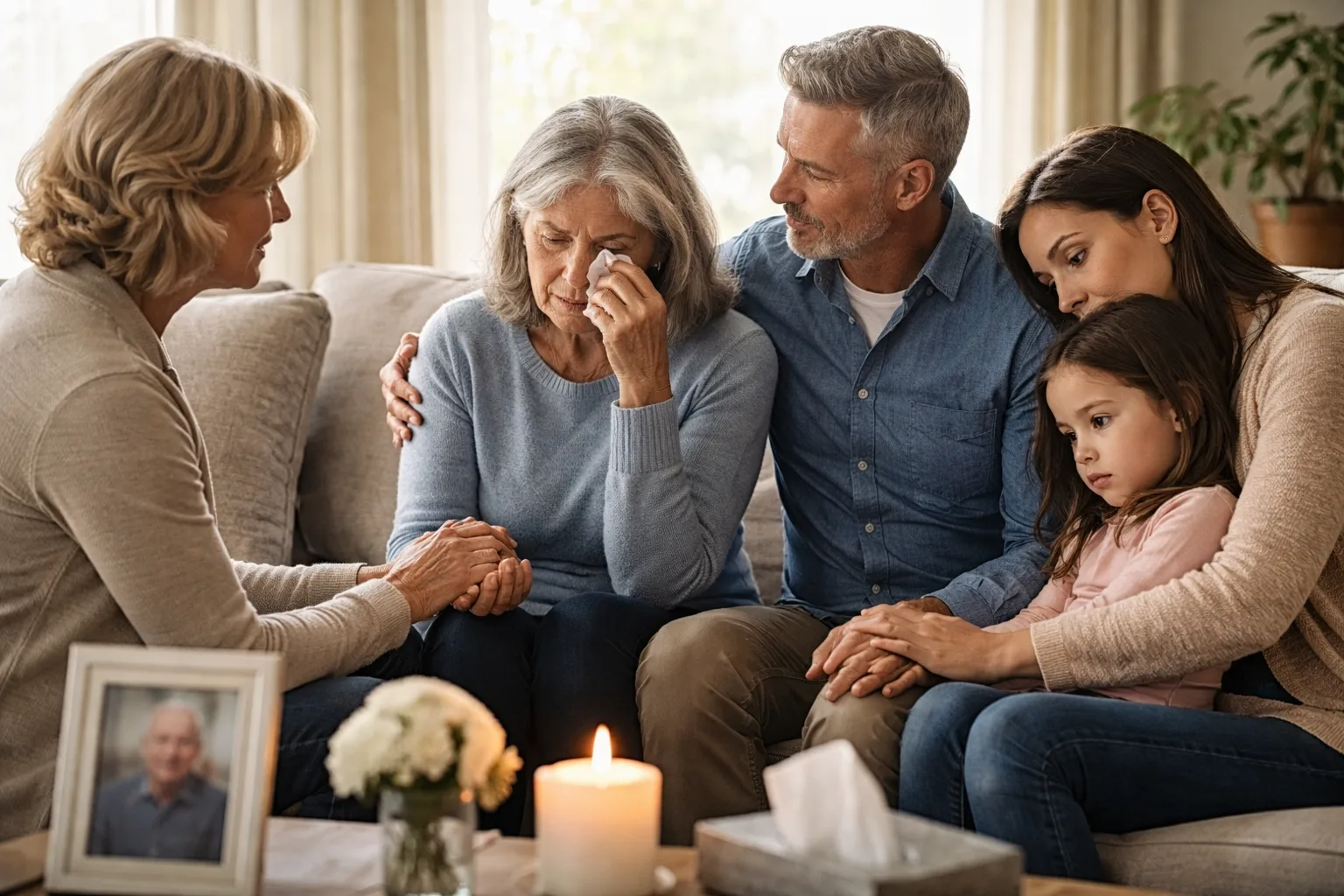
The loss of a loved one does not end when hospice care concludes. For many families, the period following death is marked by profound emotional shifts, unanswered questions, and a sense of disorientation. At Green Mountain Healthcare Services, we recognize that healing after loss is not linear and that families need compassionate guidance long after the final goodbye. This is where hospice bereavement care becomes an essential part of the continuum of care.
Bereavement care exists to support families as they navigate grief in all its forms — emotional, psychological, spiritual, and relational. It offers reassurance that they are not alone, and that their feelings, no matter how complex or contradictory, are valid. Understanding what bereavement care truly includes can help families access the support they need and feel empowered to move forward at their own pace.
Understanding the Purpose of Bereavement Care
Grief does not follow a timetable. Some individuals feel intense sorrow immediately after a loss, while others experience delayed or fluctuating emotions weeks or months later. Bereavement care is designed to meet families wherever they are in their grief journey.
Unlike short-term crisis intervention, bereavement care provides ongoing support that helps individuals:
- Process emotional pain
- Adjust to life without their loved one
- Find healthy ways to express grief
- Rebuild routines and relationships
- Honor memories without being overwhelmed by loss
This care is not about “moving on,” but about learning how to live meaningfully while carrying loss with compassion and understanding.
The Scope of Grief Support After Hospice
Families often assume that support ends when hospice services conclude, but comprehensive grief support services extend well beyond the patient’s death. These services are typically available to immediate family members and caregivers and are tailored to individual needs.
Bereavement support may include:
- Regular check-in calls or letters
- Individual or group counseling
- Educational materials about grief
- Memorial events or remembrance ceremonies
- Referrals to community-based support
These offerings ensure that families continue to feel connected, supported, and acknowledged during an emotionally vulnerable time.
The Role of Counseling in the Healing Process
One of the most valuable aspects of bereavement care is access to hospice bereavement counseling. Trained counselors help individuals explore their grief in a safe, nonjudgmental space, allowing emotions to surface naturally without pressure or expectation.
Counseling may help families:
- Understand different grief responses
- Work through feelings of guilt, anger, or regret
- Navigate anniversaries and holidays
- Address anxiety, depression, or emotional numbness
- Strengthen coping skills and resilience
Counseling sessions are often flexible, recognizing that grief evolves over time and may require different levels of support at different stages.
Supporting the Entire Family System
Loss affects entire family systems, not just individuals. Bereavement care emphasizes family support after hospice by recognizing that each family member grieves differently based on personality, relationship roles, age, and lived experiences.
Support for families may include:
- Family counseling sessions
- Resources for supporting children and teens
- Guidance on navigating changing family dynamics
- Tools for improving communication during grief
- Support for caregivers who may feel emotionally depleted
By addressing grief collectively, families can reduce isolation, misunderstandings, and emotional strain.
Access to Practical and Educational Resources
Grief can make even simple decisions feel overwhelming. That’s why bereavement care often includes access to grief resources for families that provide practical guidance alongside emotional support.
These resources may cover:
- What to expect in the weeks and months after loss
- Common grief reactions and myths
- Self-care strategies during mourning
- Ways to talk to children about death
- Preparing for significant dates and anniversaries
Educational materials help normalize the grief experience and empower families with knowledge that reduces fear and confusion.
Emotional Support Beyond the Immediate Loss
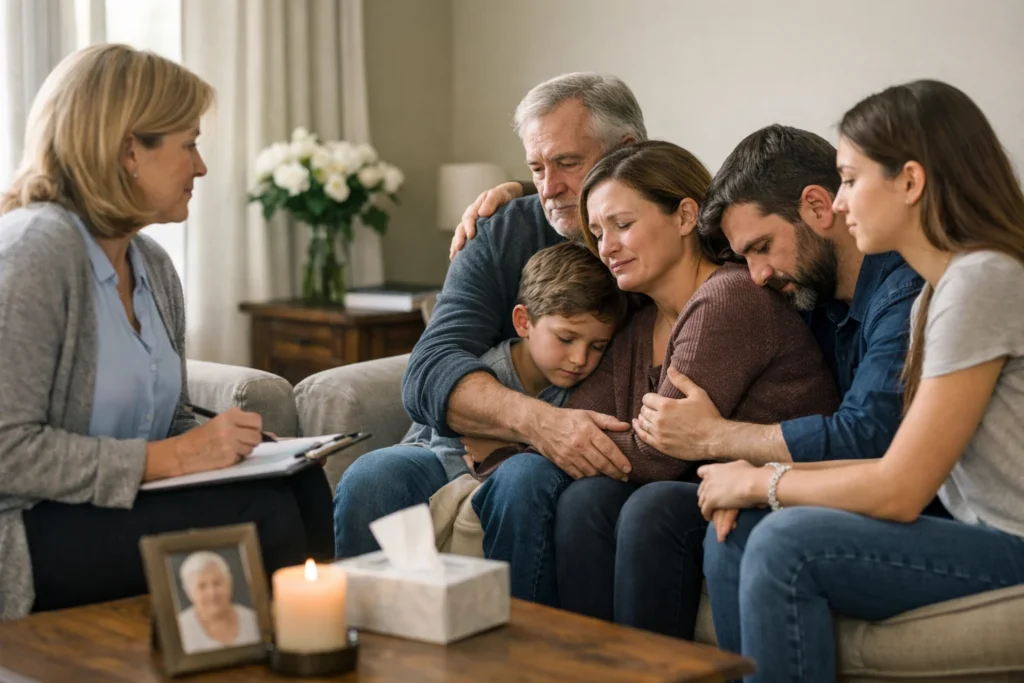
Grief does not disappear after the funeral or memorial service. Many individuals report feeling most isolated weeks later, when community support has faded. Post-hospice emotional support exists to bridge this gap, ensuring families are not left to grieve alone.
Ongoing emotional support may include:
- Scheduled follow-up outreach
- Support groups with others who have experienced loss
- Opportunities to share stories and memories
- Encouragement to express grief creatively
- Reassurance that healing has no fixed timeline
This continued presence can be deeply comforting, especially during moments when grief resurfaces unexpectedly.
Learning to Live With Loss
One of the most challenging aspects of bereavement is learning how to adapt to life without the physical presence of a loved one. Coping with loss after hospice involves redefining routines, relationships, and personal identity.
Bereavement care helps individuals:
- Re-establish daily structure
- Rediscover sources of meaning
- Balance remembrance with forward movement
- Recognize signs of complicated grief
- Seek additional help when needed
With compassionate guidance, families learn that while grief may change over time, it does not have to define or limit their future.
How Bereavement Care Honors the Loved One’s Legacy
An important aspect of healing is finding ways to honor and remember the person who has died. Bereavement care often incorporates remembrance activities that allow families to reflect, celebrate, and preserve meaningful connections.
These may include:
- Memory-sharing events
- Writing letters or journaling
- Creating legacy projects
- Participating in memorial services
- Engaging in acts of service or tribute
Honoring a loved one’s life helps transform grief into remembrance rooted in love rather than pain.
Conclusion
Grief is a deeply personal journey, and no one should have to walk it alone. Bereavement care provides families with the emotional support, guidance, and reassurance they need to navigate life after loss with compassion and dignity. By offering continued connection, education, and understanding, hospice bereavement services help families honor their loved one’s memory while finding strength, healing, and hope for the days ahead.