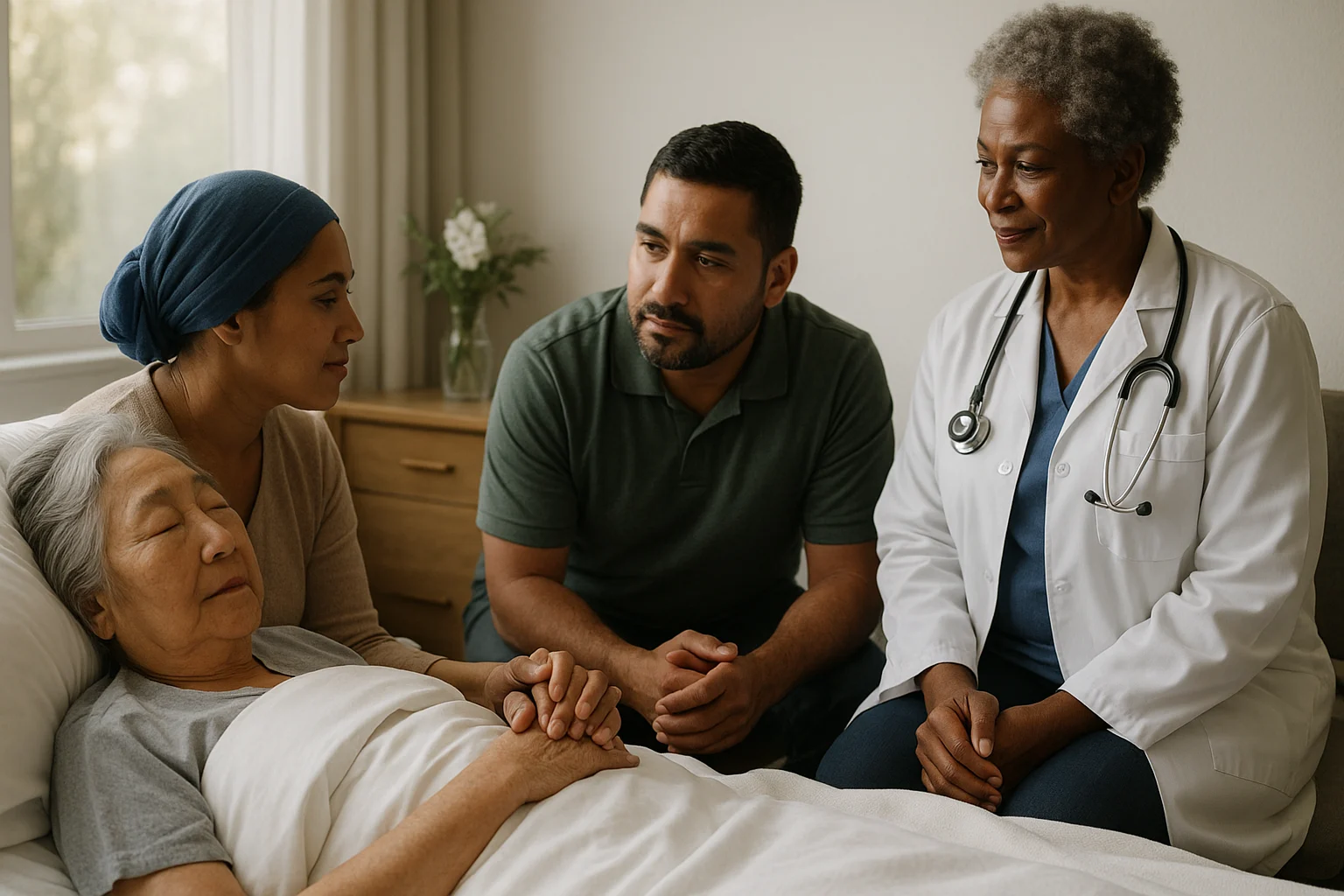
As communities continue to grow more diverse, the importance of culturally sensitive care becomes central to providing meaningful, compassionate, and dignified end-of-life support. At Green Mountain Healthcare Services, we understand that families seeking hospice support bring with them unique histories, belief systems, traditions, and emotional landscapes. Cultural sensitivity is not an optional feature of care — it is essential to ensuring that every patient feels seen, respected, and understood during one of the most profound stages of life.
End-of-life care requires more than medical expertise. It calls for emotional intelligence, cultural awareness, and the willingness to tailor care practices to honor the patient’s identity. When care teams approach patients and families with openness and curiosity, they create an environment that fosters trust, comfort, and meaning.
Why Cultural Sensitivity Matters in End-of-Life Care
Every culture has its own perspectives on illness, suffering, and the transition at life’s end. These beliefs shape how families communicate, make decisions, handle grief, and define comfort. For this reason, multicultural hospice care requires thoughtful attention to customs, languages, values, and spiritual needs.
Families from different cultural backgrounds may express pain differently, define dignity differently, or expect varying levels of family involvement. Without cultural awareness, misunderstandings can arise that may unintentionally harm the patient’s emotional well-being. Sensitivity ensures that the care given is not only medically appropriate but also aligned with the patient’s identity, worldview, and community traditions.
The Role of Cultural Competency in Patient Comfort
Patients receiving culturally competent end of life care benefit from care teams who take the time to understand personal values, cultural rituals, and communication preferences. This allows caregivers to honor traditions that provide comfort while avoiding actions that may inadvertently conflict with the patient’s beliefs.
Cultural competency includes:
- Asking about meaningful rituals or customs
- Providing interpreters or bilingual staff when needed
- Respecting spiritual practices
- Adapting communication methods to cultural norms
- Recognizing differing expressions of pain, fear, or acceptance
These efforts create a supportive environment where patients feel emotionally protected and spiritually grounded.
Recognizing Cultural Diversity in Hospice Services
Providing care that reflects diversity in hospice services means embracing flexibility and humility. No two families approach the end-of-life journey exactly alike. Care teams must be prepared to adjust routines, expectations, and communication styles based on cultural needs.
For example:
- Some cultures value collective decision-making, while others emphasize individual autonomy.
- Some families prefer frequent visitors; others value quiet, private space.
- Rituals surrounding death may include prayer, song, candles, food, or silence.
- Attitudes toward medical interventions differ widely across cultures.
By acknowledging these differences, hospice teams reinforce trust and ensure that care feels personal and respectful.
Creating Inclusive Care Experiences
At Green Mountain Healthcare Services, inclusive hospice support means welcoming all beliefs, identities, and cultural backgrounds. Inclusivity is not simply about tolerance — it is about active accommodation. This requires listening deeply, adapting care routines, and ensuring that every patient and family member feels emotionally safe and spiritually supported.
Inclusive care includes:
- Providing spaces that honor spiritual rituals
- Allowing family structures of all kinds to participate
- Valuing different expressions of grief
- Supporting LGBTQ+ families with sensitivity and respect
- Ensuring accessibility for all cultural and linguistic needs
When inclusivity is embedded in daily practice, families feel a sense of belonging even during emotionally difficult times.
Understanding the Role of Faith, Tradition, and Spirituality
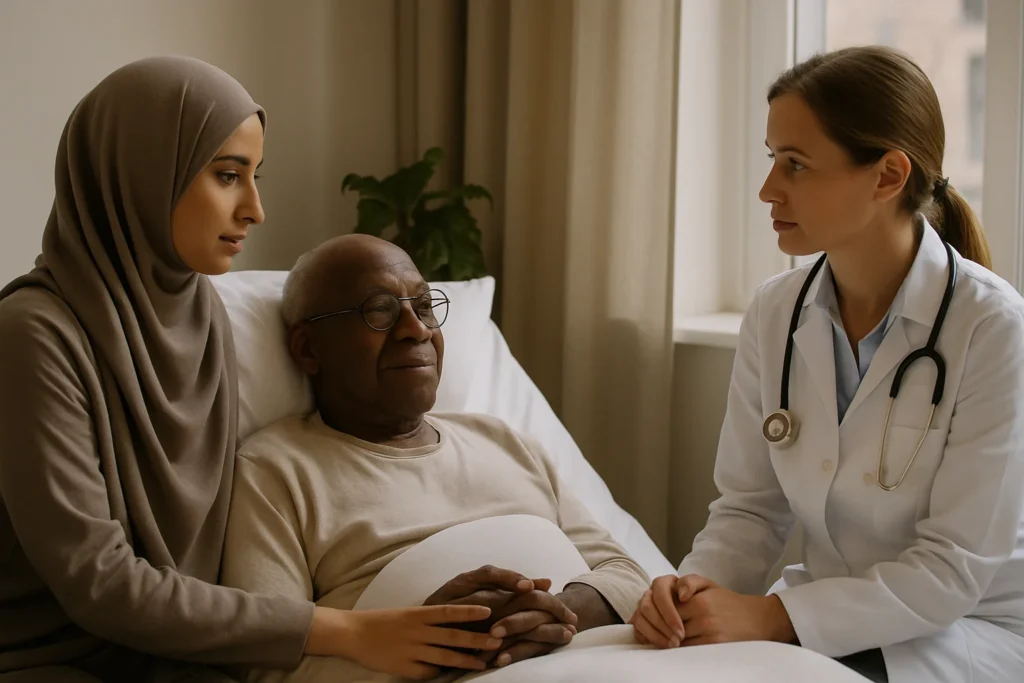
Faith and spirituality often shape how families approach the end-of-life journey. Recognizing the impact of religion and hospice care allows caregivers to support rituals, sacred objects, prayer practices, and the role of spiritual leaders.
Examples include:
- Coordinating visits with chaplains or specific faith leaders
- Ensuring room for prayer mats, icons, or sacred objects
- Respecting fasting periods or dietary customs
- Supporting end-of-life rituals that provide emotional closure
Spiritual traditions offer comfort, healing, and grounding — especially in moments of uncertainty.
Practical Steps for Providing Culturally Sensitive Support
Care teams can take concrete steps to provide culturally aware support that uplifts the patient and strengthens family trust.
1. Begin with an open, respectful conversation
Ask families what traditions matter most, what they fear, and what gives them comfort.
2. Learn about the patient’s cultural background
Understanding context reduces assumptions and builds trust.
3. Use interpreters when needed
Clear communication is foundational to compassionate care.
4. Adjust care routines to honor cultural preferences
This might include modifying meal times, accommodating dietary needs, or adjusting visitation practices.
5. Support family roles
Some families rely heavily on extended relatives; others prefer smaller, private groups.
6. Respect emotional expression
Some cultures value outward expressions of grief; others encourage more reserved behavior.
Conclusion
Cultural sensitivity in end-of-life care ensures that every patient experiences dignity, respect, and emotional comfort rooted in their personal identity. When care teams embrace cultural understanding, they build trust, strengthen communication, and create healing environments for families navigating profound transitions. By honoring traditions, beliefs, and diverse perspectives, compassionate end-of-life care becomes a deeply human experience — one that reflects not only the patient’s final wishes but the values that shaped their entire life.