# Hospice Education for Families: Building Understanding and Reducing Fear
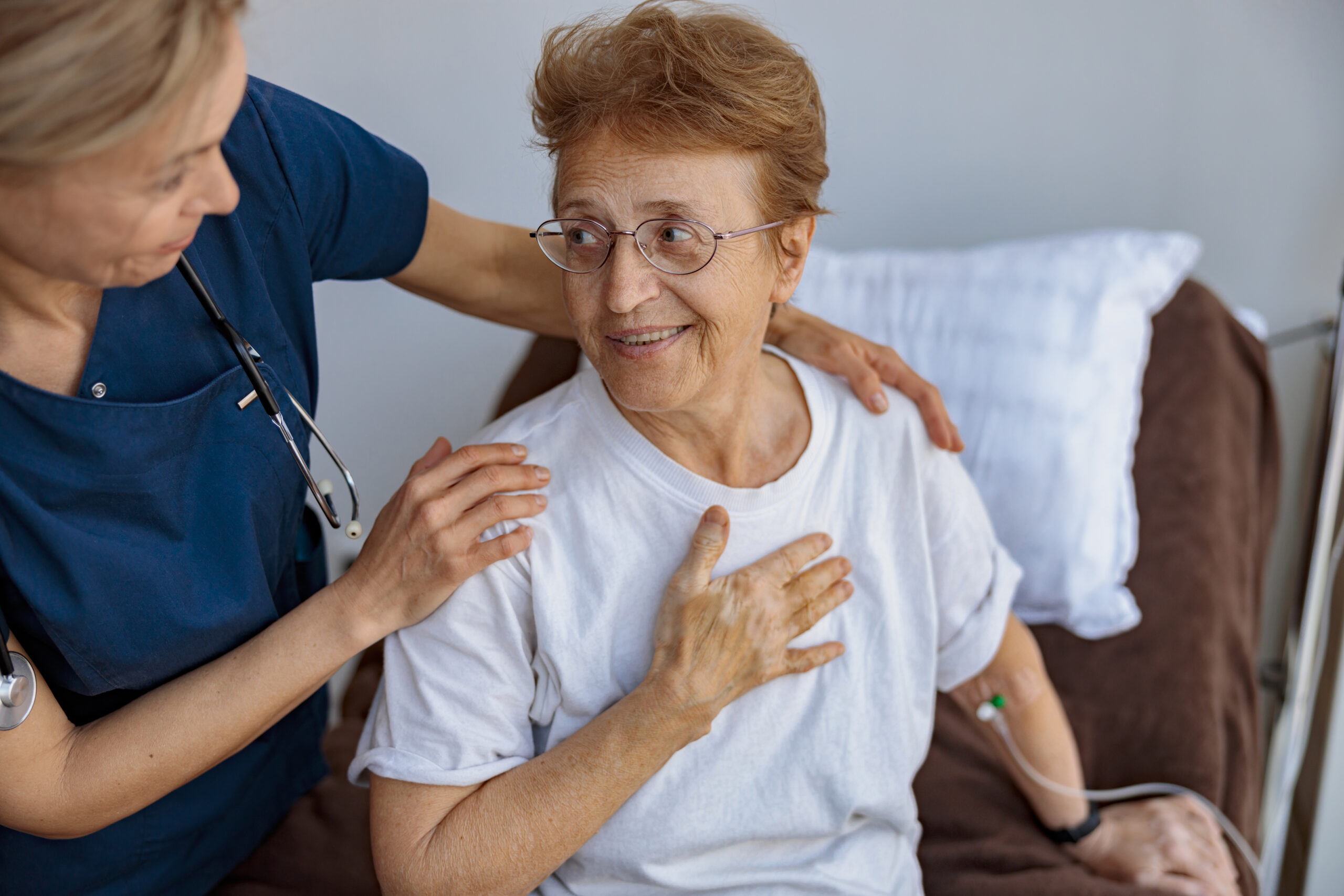
When a loved one is nearing the end of life, it can be an emotional and challenging time for families. Often, the concept of hospice care is misunderstood, leading to fear and uncertainty. However, with proper hospice education, families can gain a clearer understanding, which can help reduce anxiety and improve the overall experience for everyone involved.
What is Hospice Care?
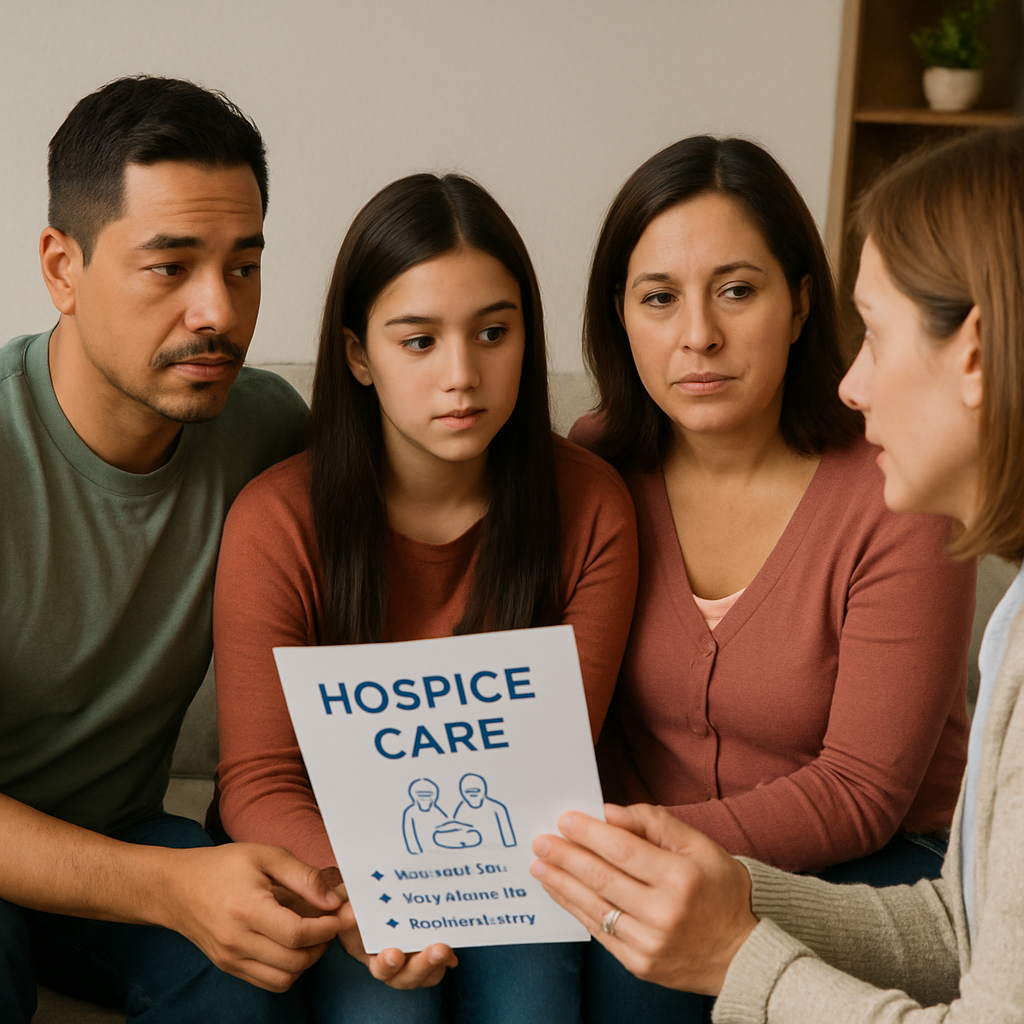
Hospice care is a type of end-of-life care focused on providing comfort and support to patients with terminal illnesses and their families. Unlike traditional medical treatment aimed at curing disease, hospice care prioritizes quality of life, managing symptoms, and providing emotional and spiritual support. The goal is to help patients live their final days with dignity and as comfortably as possible.
The Importance of Hospice Education
Understanding hospice care is crucial for families making decisions about their loved one’s end-of-life care. Hospice education provides the necessary information to make informed choices, helping families feel more in control and less fearful of the unknown.
Key Benefits of Hospice Education:
- Clarity and Understanding: Hospice education materials provide clear explanations of what hospice care involves, helping families understand what to expect.
- Emotional Support: Education can help alleviate fears by providing insights into the emotional and psychological support available through hospice care.
- Practical Guidance: Families learn about the practical aspects of caregiving and managing a loved one’s needs at the end of life.
Components of Hospice Education for Families
Hospice education encompasses a variety of materials and training sessions designed to equip families with the knowledge they need. Here are some key components:
Hospice Education Materials
Hospice education materials play a critical role in informing families about hospice care. These materials typically include brochures, booklets, and online resources that cover topics such as:
- Understanding Terminal Illnesses: Information on the progression of terminal diseases and what families might expect.
- Pain and Symptom Management: Guidance on managing pain and other symptoms to ensure the patient’s comfort.
- Emotional and Spiritual Support: Resources on providing emotional and spiritual care, both for the patient and the family.
- Caregiver Responsibilities: Practical advice on caregiving tasks and how to support a loved one physically and emotionally.
Caregiver Training
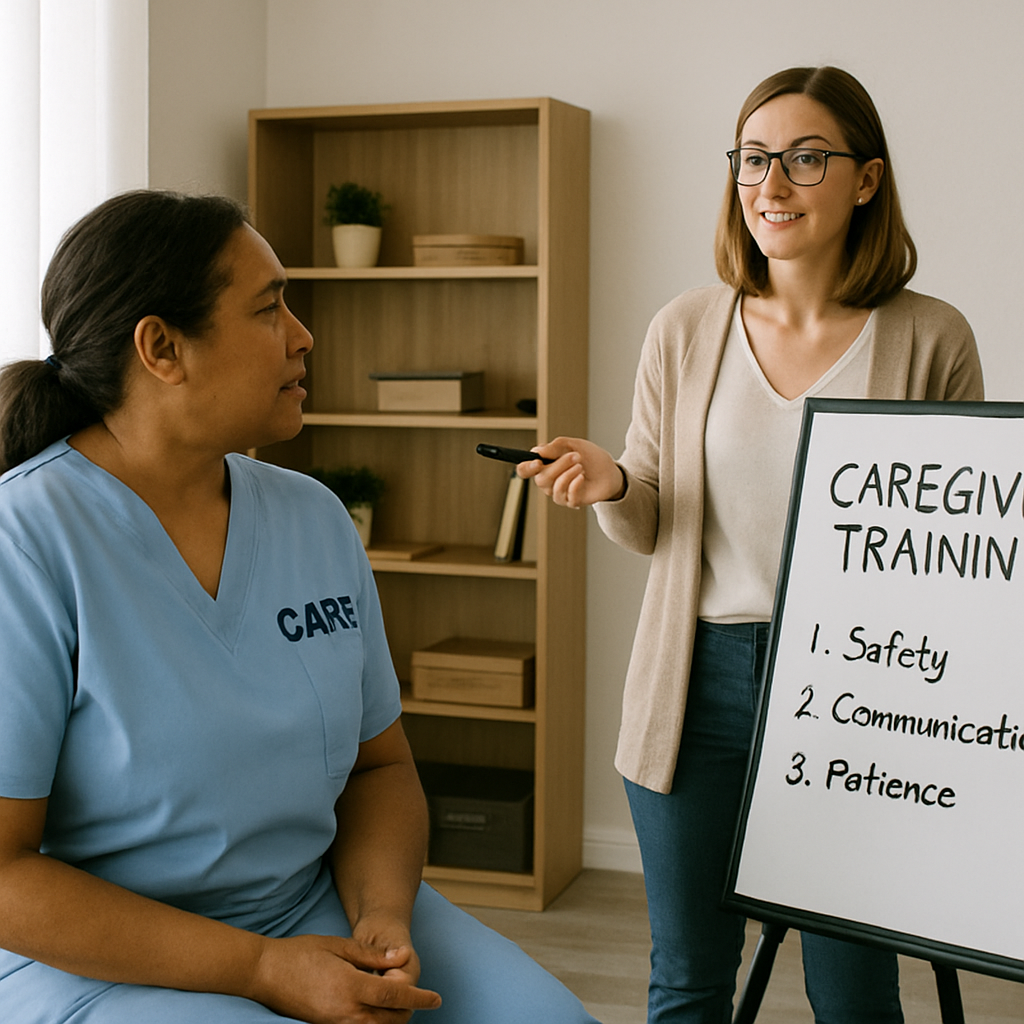
Caregiver training is an essential part of hospice education. It prepares family members to effectively care for their loved ones by teaching them important skills and techniques. Training sessions often cover:
- Basic Nursing Skills: How to assist with daily activities like bathing, feeding, and mobility.
- Medication Administration: Instructions on how to properly give medications and manage side effects.
- Emergency Preparedness: Knowing when and how to seek additional medical assistance if needed.
Support Groups and Counseling
Hospice education also includes access to support groups and counseling services. These resources provide families with a safe space to share their experiences, seek advice, and receive emotional support from others who are going through similar situations.
Addressing Common Fears and Misconceptions
Many families hesitate to consider hospice care due to common fears and misconceptions. Education plays a pivotal role in addressing these concerns.
Misconception 1: Hospice Means Giving Up
One of the biggest misconceptions is that choosing hospice care means giving up on a loved one. In reality, hospice care is about shifting the focus from curing the disease to enhancing the quality of life. It ensures that patients receive compassionate care tailored to their needs.
Misconception 2: Hospice Care Hastens Death
Another fear is that hospice care hastens death. However, studies have shown that hospice care can actually extend the life of patients by providing comprehensive symptom management and reducing stress.
Misconception 3: Hospice is Only for Cancer Patients
While hospice care is often associated with cancer, it is available for patients with any terminal illness, including heart disease, dementia, and chronic respiratory diseases.
by National Library of Medicine (https://unsplash.com/@libraryofmedicine)
The Role of Hospice Professionals
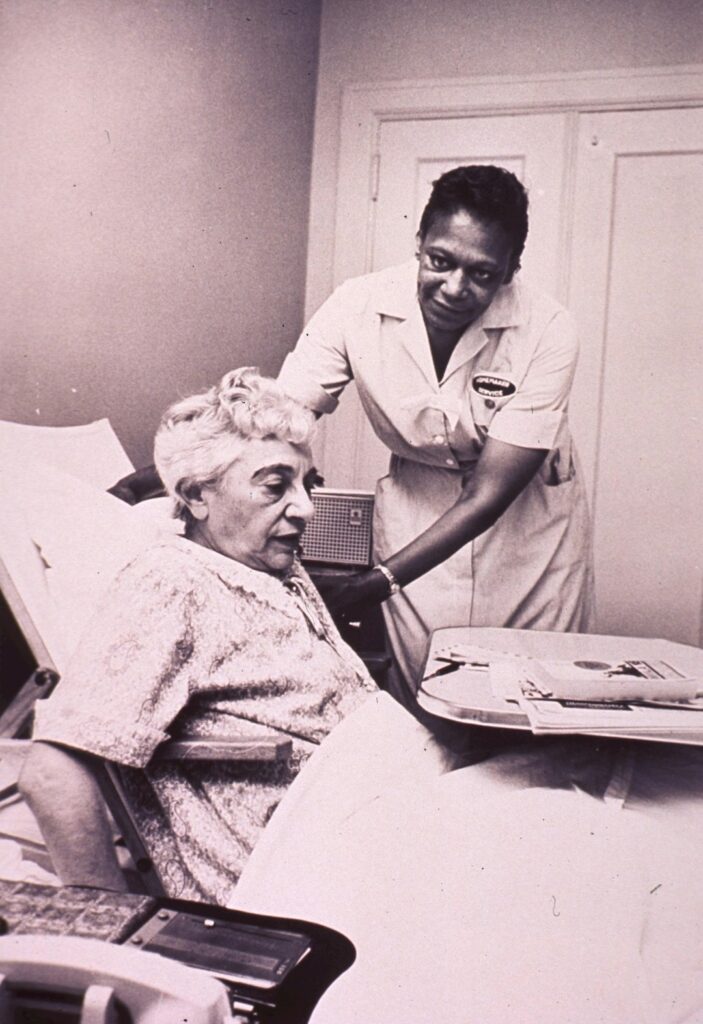
Hospice professionals, including doctors, nurses, social workers, and chaplains, play a vital role in providing education and support to families. They work collaboratively to ensure that both patients and families receive holistic care that addresses physical, emotional, and spiritual needs.
How Hospice Teams Support Families:
- Personalized Care Plans: Developing care plans tailored to the specific needs and preferences of the patient and family.
- Regular Communication: Keeping families informed about the patient’s condition and any changes in care.
- Emotional and Grief Support: Offering counseling and bereavement support to help families cope with loss.
Conclusion
Hospice education is a powerful tool in building understanding and reducing fear for families facing the end-of-life journey with a loved one. By providing clear information, practical guidance, and emotional support, hospice education empowers families to make informed decisions and focus on what truly matters—spending meaningful time with their loved ones.
Investing in hospice education can transform the end-of-life experience from one of fear and uncertainty to one of compassion, dignity, and peace.