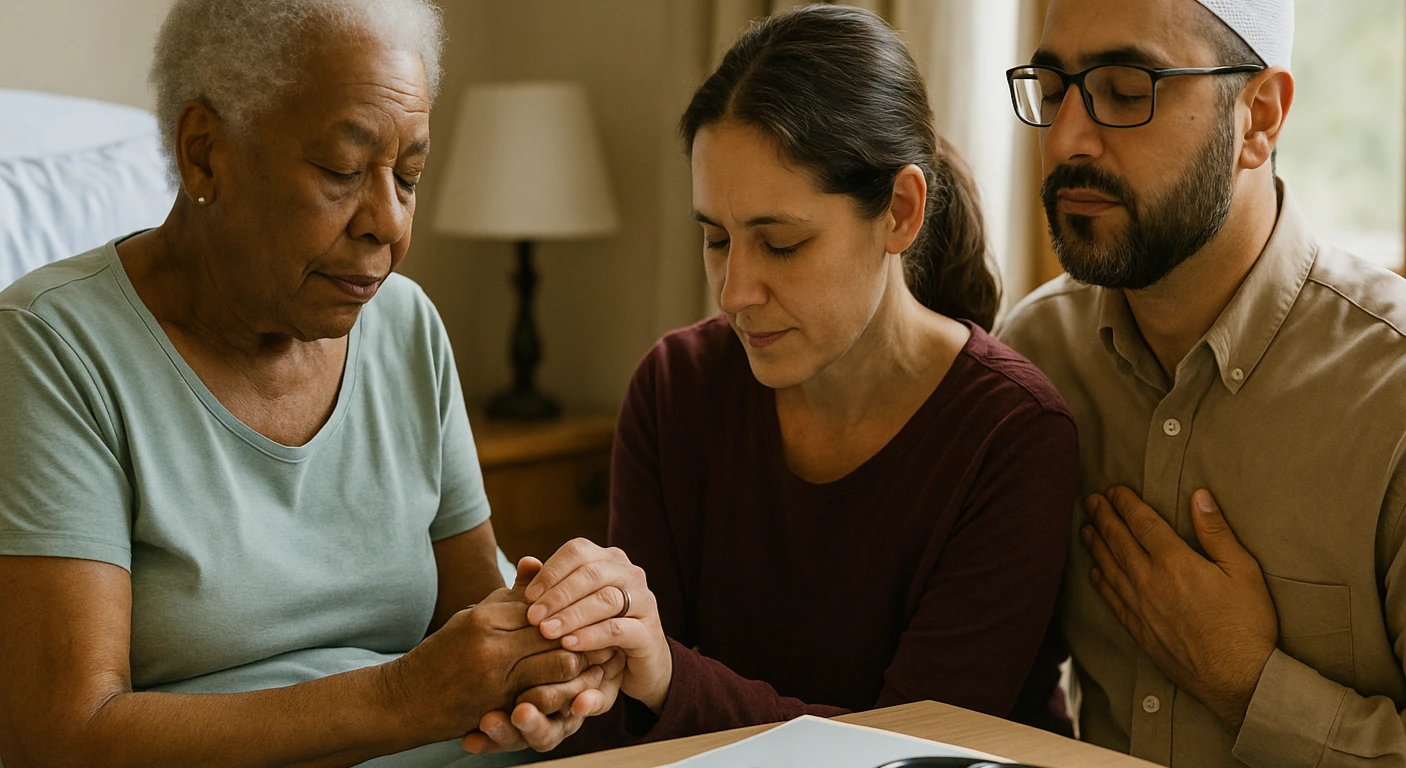
Culturally competent hospice care is the practice of recognizing and respecting the cultural, religious, and spiritual beliefs of patients and their families. This approach goes beyond mere acknowledgment; it involves actively integrating these beliefs into the care plan. By doing so, healthcare providers can offer personalized care that aligns with the values and traditions of each individual. Acknowledging cultural diversity means understanding that each patient’s needs are unique, influenced by their background, beliefs, and life experiences.
Healthcare providers must be educated and sensitive to various cultural norms and practices, ensuring that they do not impose their own biases on the care process. In turn, this creates a nurturing environment where patients feel respected and valued. Training for hospice staff on cultural competence can include workshops, seminars, and continuing education programs that emphasize the importance of understanding and respecting diverse cultural perspectives. This training helps in breaking down barriers, fostering an inclusive atmosphere where all patients receive the care and respect they deserve.
The Role of Faith-Based Hospice Support
Faith-based hospice support plays a crucial role in helping patients find peace and comfort. For many, faith is a source of strength and solace, particularly during challenging times. Hospice teams often include chaplains or spiritual counselors who specialize in providing spiritual guidance tailored to the patient’s faith. This support can include prayer, scripture readings, or simply being present to listen and provide companionship. The presence of faith leaders can offer reassurance and help in addressing any spiritual concerns or questions that may arise during this period.
In addition, faith-based support can assist in bridging the gap between medical care and spiritual needs, ensuring that the patient’s spiritual journey is honored alongside their physical care. Faith communities can also play a significant role, offering additional resources and support networks for both patients and their families. By involving local religious leaders and faith communities, hospice care can create a more comprehensive support system that extends beyond the clinical setting, providing a network of care that is both compassionate and continuous.
Spiritual Counseling for Families
Families also benefit from spiritual counseling during hospice care. The end-of-life journey can be emotionally taxing for loved ones, and having access to spiritual support can help them cope with grief and loss. Counselors work with families to address their spiritual concerns, helping them to find meaning and comfort in their beliefs. Spiritual counseling provides a safe space for family members to express their fears, hopes, and questions about death and dying, facilitating a deeper understanding of their loved one’s transition.
Moreover, spiritual counseling can aid families in reconciling any unresolved issues, fostering a sense of closure and peace. By encouraging open dialogue and reflection, spiritual counselors help families navigate the complexities of grief, offering tools and strategies to cope with the emotional challenges they face. This support is crucial not only during the hospice experience but also in the bereavement period, helping families to continue their journey with resilience and hope.
Religious Rituals During Hospice
Honoring religious rituals is a significant aspect of spiritual care in hospice. These rituals can provide patients with a sense of continuity and connection to their faith. Whether it involves specific prayers, ceremonies, or the presence of religious symbols, accommodating these rituals is vital for respecting the spiritual needs of patients. Religious rituals offer comfort and familiarity, providing a structured way for patients to express their spirituality and faith during their final days.
Additionally, these rituals can serve as a bridge between the patient’s past and present, reinforcing their identity and providing solace. By facilitating these practices, hospice care teams demonstrate their commitment to comprehensive care that honors every facet of the patient’s life. In doing so, they ensure that the patient’s spiritual legacy is respected and cherished, providing a lasting impact on both the patient and their family.
Providing End-of-Life Support
End-of-life support in hospice includes facilitating religious rituals that are important to the patient and family. This might involve coordinating with religious leaders, arranging for sacramental rites, or ensuring that sacred texts are available. By supporting these practices, hospice care teams help patients maintain their spiritual identity and find peace as they approach the end of life. This support ensures that patients can engage in rituals that are meaningful to them, reinforcing their sense of belonging and spiritual fulfillment.
Furthermore, facilitating these rituals can provide comfort to family members, allowing them to participate in their loved one’s spiritual journey. By creating a shared space for these experiences, hospice teams foster a sense of unity and understanding, reinforcing the bonds between patients and their families. This collaborative approach not only supports the patient’s spiritual needs but also helps family members find solace and closure in the shared experience of honoring their loved one’s faith.
The Importance of Hospice Spiritual Care
Hospice spiritual care addresses the existential questions that often arise during the end-of-life phase. Patients may seek answers about the meaning of life, their purpose, and what lies beyond death. Spiritual care providers are trained to offer compassionate support, helping individuals explore these questions in a safe and nonjudgmental environment. This exploration can be a profound experience, allowing patients to reflect on their lives and find peace with their journey.
Furthermore, spiritual care can guide patients through the fear and uncertainty that often accompany the dying process. By offering reassurance and understanding, spiritual care providers help patients find hope and acceptance, even in the face of life’s greatest unknowns. This care is integral to the hospice mission of providing holistic support, addressing not only the physical but also the emotional and spiritual dimensions of the end-of-life experience.
Conducting a Spiritual Needs Assessment
Conducting a spiritual needs assessment is a critical step in providing effective spiritual care. This assessment involves understanding the patient’s spiritual beliefs, practices, and needs. By asking open-ended questions and actively listening, healthcare providers can develop a comprehensive spiritual care plan that respects the patient’s unique perspective. This plan serves as a guide for integrating spiritual care into the overall hospice experience, ensuring that each patient’s individual needs are met.
Moreover, the spiritual needs assessment can help identify any gaps in care, allowing providers to address specific concerns and tailor their approach accordingly. This proactive strategy ensures that spiritual care is not an afterthought but a central component of the patient’s care plan. By prioritizing spiritual assessments, hospice teams can deliver more nuanced and empathetic care, enhancing the overall quality of life for patients and their families.
The Role of Chaplain Services
Chaplains are integral to hospice spiritual care, offering support to patients of all faiths and beliefs. Their role is to provide spiritual guidance and emotional support, helping patients and families navigate the complexities of the end-of-life journey. Chaplains often work collaboratively with other members of the hospice team to ensure that spiritual care is seamlessly integrated into the overall care plan. This collaboration fosters a holistic approach, where each aspect of the patient’s wellbeing is considered and respected.
Chaplains serve as advocates for the patient’s spiritual needs, ensuring that these are prioritized alongside medical and emotional care. By providing a compassionate presence, chaplains help patients and families feel supported and understood, creating an environment of trust and peace. Their role is not just to offer spiritual guidance but also to listen and provide comfort, helping patients and families find strength and hope during one of life’s most challenging transitions.
Creating a Supportive Environment
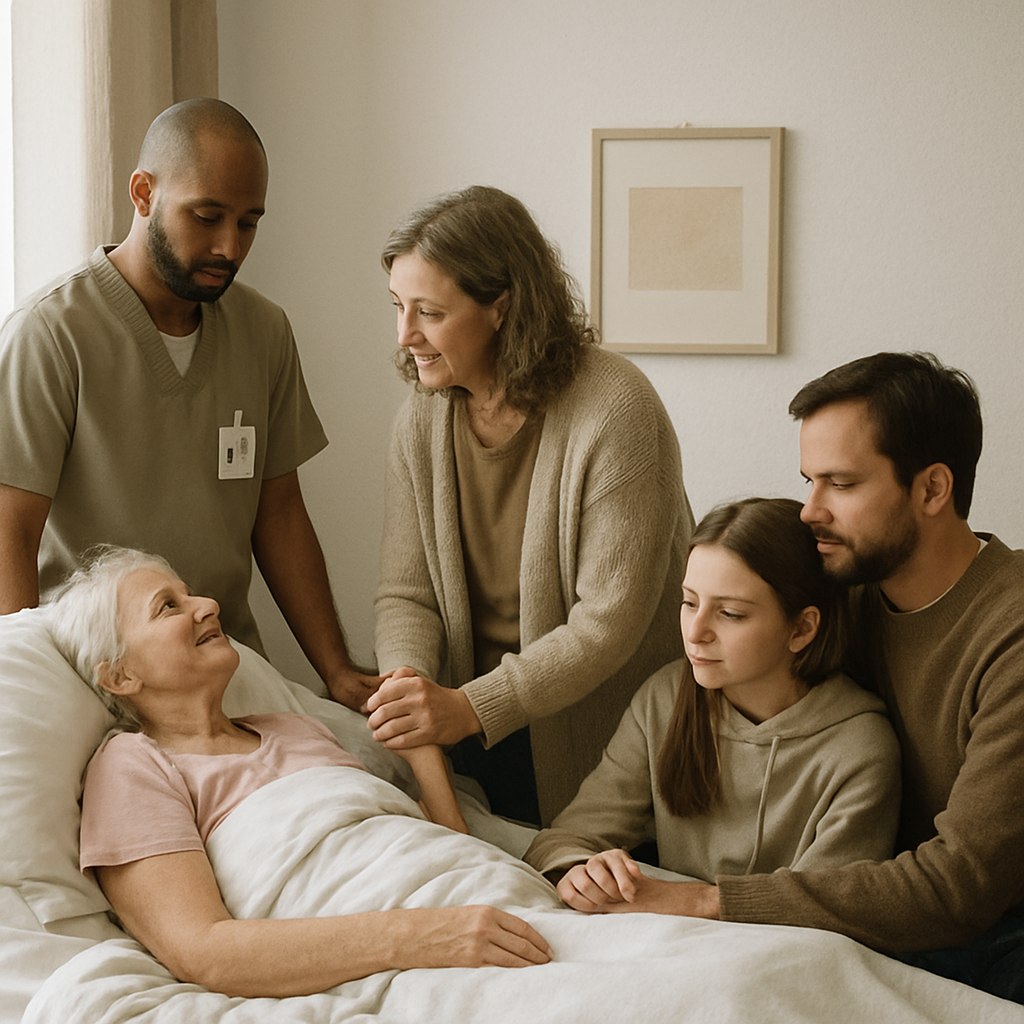
Creating a supportive environment in hospice involves more than just addressing spiritual needs; it includes fostering an atmosphere of respect and compassion. This means being attentive to the cultural and religious nuances that influence how patients and families perceive end-of-life care. By understanding these nuances, healthcare providers can create a more inclusive and welcoming environment, where patients feel valued and respected.
A supportive environment also involves empowering patients and families to express their needs and preferences. By encouraging open communication and dialogue, hospice teams can ensure that care is tailored to the individual, reflecting their unique beliefs and values. This patient-centered approach is crucial in creating a care experience that is both meaningful and respectful, honoring the dignity of each patient and their loved ones.
Enhancing Communication and Understanding
Effective communication is key to providing culturally competent hospice care. Healthcare providers must be sensitive to language barriers and cultural differences, using interpreters or culturally relevant materials when necessary. By enhancing communication, caregivers can build trust and understanding with patients and families. This trust is essential in facilitating open dialogue, allowing for the expression of needs, concerns, and preferences.
Moreover, effective communication involves active listening and empathy, ensuring that patients and families feel heard and understood. By prioritizing clear and compassionate communication, hospice teams can strengthen their relationships with patients and families, creating a foundation of trust and respect. This approach not only enhances the quality of care but also fosters a sense of partnership and collaboration between caregivers and the families they serve.
Integrating Cultural Practices
Integrating cultural practices into hospice care helps patients feel valued and respected. This might include incorporating traditional healing methods, dietary preferences, or specific cultural rituals. By honoring these practices, hospice teams demonstrate their commitment to providing personalized and respectful care. This approach recognizes the importance of cultural identity in the patient’s care experience, ensuring that all aspects of their life are acknowledged and respected.
Additionally, integrating cultural practices can enhance the therapeutic relationship, fostering a sense of trust and connection between patients and their caregivers. By validating the patient’s cultural identity, hospice teams create a more inclusive and supportive environment, where patients feel empowered to express their beliefs and traditions. This holistic approach not only enhances the patient’s quality of life but also enriches the care experience for both patients and their families.
Conclusion
Spiritual and cultural support in hospice is an essential component of providing comprehensive care at the end of life. By respecting the beliefs and practices of patients and their families, hospice care teams can offer meaningful support that honors the diverse spiritual and cultural landscapes of those they serve. This approach ensures that care is not only about physical comfort but also about honoring the full spectrum of human experience.
Learn more about hospice and palliative care from the National Institute on Aging.
Incorporating culturally competent hospice care, faith-based support, spiritual counseling, and respect for religious rituals ensures that patients and families feel understood and supported. As we continue to recognize the importance of spiritual and cultural dimensions in healthcare, we can better meet the needs of individuals and families during one of life’s most profound transitions. By prioritizing these dimensions, hospice care can offer a more compassionate and holistic approach, providing comfort and peace to those at the end of their journey.